


How Australian Freelancers Can Navigate Broadband Choices
Evaluating Your Needs
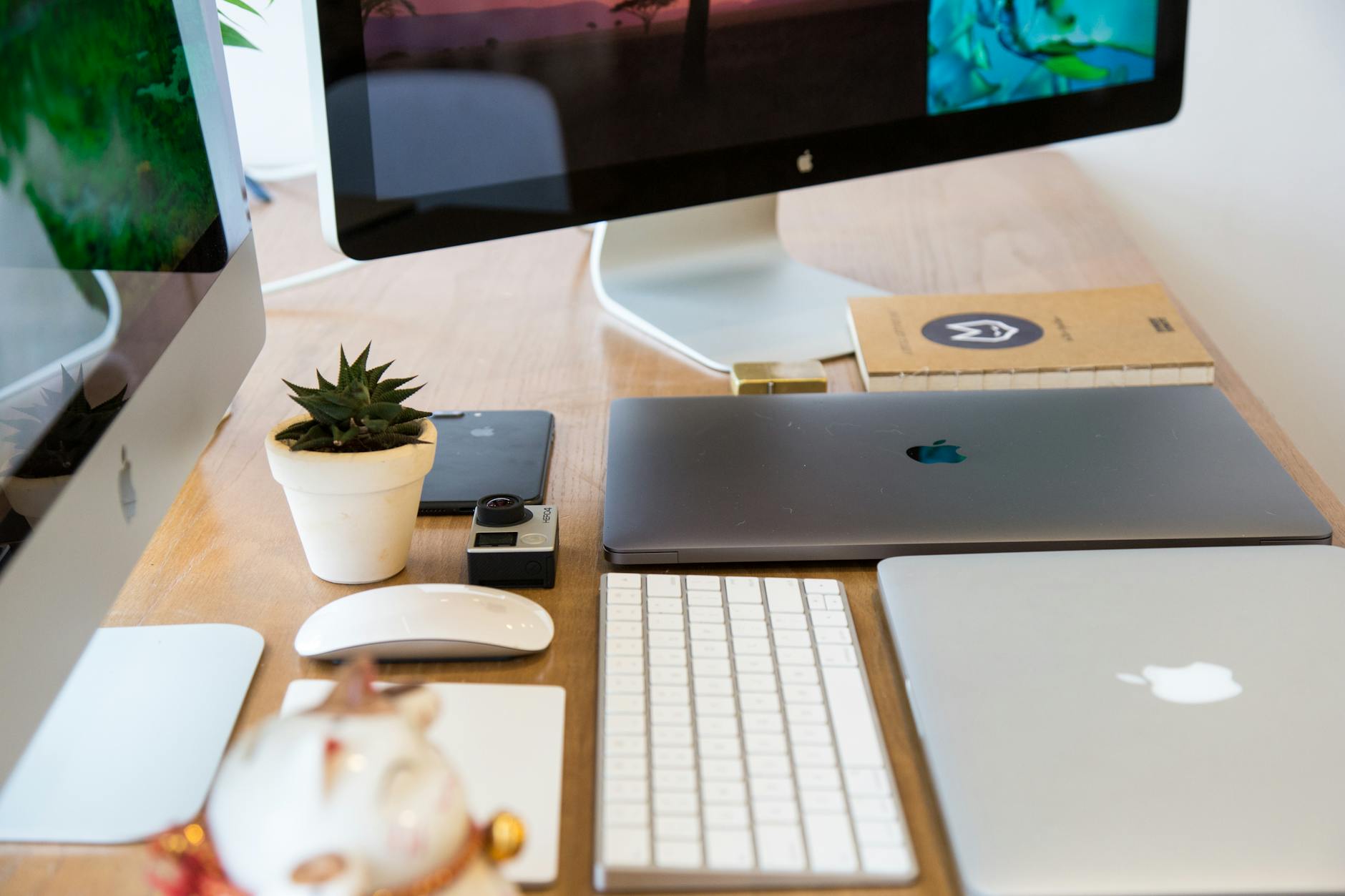
When you’re a creative professional like me, based in a thriving hub such as Sydney, assessing your internet needs is crucial. Our fast-paced digital world demands not only reliable internet but one that supports the dynamic rhythm of our daily tasks. The NBN FTTC might be a game-changer for those looking to blend fibre-to-the-node advantages with the flexibility of a flexible connection right into your premises. It’s perfect for freelancers and creatives running businesses from the comfort of their Surry Hills studios, ensuring you won't lag behind while uploading your latest masterpiece.
Assessing Usage Patterns
Understanding how you utilise the internet is essential. Do you engage in activities that demand high-speed connectivity, like live-streaming content or uploading large files? Or are your needs more basic? Knowing your patterns helps you decide on the right kind of service.
Understanding Coverage Areas
Before opting for an internet provider in my area, check the coverage specific to your location. Sydney's creative landscapes, such as Newtown's art studios or even your favourite cafés, require robust internet offerings that guarantee seamless productivity wherever you work.
Prioritising Speed and Reliability
Speed and reliability cannot be compromised. Whether collaborating with international clients in real-time or participating in Australian Technology Park meetups, select a service meeting these needs. Robust internet isn't a luxury here; it's a necessity for maintaining competitive advantage. By doing so, you ensure that your creativity and output are never stifled by technological barriers.
Comparing Connection Types
In the vibrant creative hubs of Sydney, understanding your connection type is crucial for efficient digital workflows. As someone heavily invested in the world of content creation, it’s worth weighing the options between fibre and DSL, mobile broadband services, and satellite connections to decide what fits your needs.
Fibre vs. DSL
Fibre-optic connections are ideal for freelancers who frequently upload large files, providing high-speed and reliable service. However, installation costs can be a barrier. On the other hand, DSL offers a more budget-friendly solution with moderate speeds, suitable for typical browsing and streaming needs, but it might fall short if you upload vast amounts of content regularly.
Mobile Broadband Options
Mobile broadband has become increasingly popular, especially for those living or working in bustling areas like Surry Hills. Its portability offers flexibility, which is critical for creatives who value mobility without sacrificing data speeds. This option can support high-definition live streaming, making it ideal for social media influencers or digital nomads. One should weigh the value of wireless broadband for its ease of use against possible data limits in certain plans.
Satellite and Remote Access
For those working in remote locations, satellite internet ensures connectivity far beyond urban confines. Though latency can be an issue, it remains a reliable solution to facilitate work uploads from Australia’s rugged landscapes. When comparing 5g vs nbn, 5G offers impressive speeds but often lacks the uniform reach of satellite or even terrestrial broadband options in outlying areas.
Incorporating the right connection type is vital for maintaining robust and seamless connectivity, allowing your digital creations to shine without interruption.
Exploring Emerging Technologies
For creatives in Sydney, particularly those frequenting tech meetups at the Australian Technology Park, the promise of new technologies like 5G is exciting. Lower latency and substantial speed improvements are expected to transform how we interact with data. The benefits of home wireless broadband are significant, especially when engaged in high-bandwidth tasks like streaming or uploading high-resolution images. Comparing these tech advancements to traditional connections facilitates smoother experiences and keeps those digital portfolios seamless.
However, while embracing these cutting-edge solutions, one might wonder about NBN compatibility. Ensuring that your setup won't render existing infrastructure obsolete is crucial. It’s a smart move to explore how emerging tech interfaces harmoniously with current systems, rather than taking a blanket approach. As the landscape shifts, aligning with reliable innovations matters—especially for professionals like Ethan Turner, who depend on stable internet while capturing Australia's remote landscapes.
When you're on the hunt for solutions to connectivity in more isolated locations, Amazon internet or Telstra satellite internet are options worth considering. This service allows access where terrestrial networks falter, ideal for freelancers needing uninterrupted access. But don't stop with just existing solutions; focus on future-proofing by keeping an eye on tech trends and possibilities, ensuring your digital pursuits remain agile and your workflow uninterrupted.
Challenges of Remote Work
Overcoming Limited Access
Access to fast and reliable internet while working remotely can be a challenge. As creatives, we rely on seamless connectivity to maintain productivity. With options like Starlink Australia and mobile broadband, there's plenty to consider. When you compare internet solutions, selecting one that best fits your needs and budget is essential. I find mobile broadband surprisingly flexible, especially when I'm inspired to work outside of my usual spots at Newtown's vibrant art studios. This kind of setup offers the capability to stay connected practically anywhere, which can really enhance your creative sessions.
Ensuring Connectivity Stability
Maintaining strong and stable connectivity is vital for freelancers. Frequent disconnections can disrupt creative flow and client communications. That's why researching a reliable internet provider is crucial. Considering fixed-line connections like fttb can provide consistent access to the online tools and platforms essential for producing and sharing quality content. Moreover, exploring mobile data packs with generous usage limits could offer additional peace of mind. This way, you can still attend virtual meetings or upload those important high-resolution files without hiccups.
Preparing for Connectivity Issues
It's pragmatic to expect occasional connectivity hiccups. Preparing for these disruptions can make a big difference. Keeping a list of local cafés or libraries around the captivating landscapes of Newtown and having backup mobile internet options can prevent downtime. Anticipating potential issues and having alternative solutions ready ensures that your workflow remains as fluid and uninterrupted as the creative energy in Surry Hills.
Best Practices for Freelancers
Streamlining Online Workflows
In the vibrant creative hubs of Sydney, such as Surry Hills and Newtown, freelancers can enhance productivity by adopting a few strategic online workflow optimizations. Begin by selecting cloud-based platforms that streamline collaboration with clients and teammates alike. Tools like project management software and scheduling apps eliminate confusion and keep everyone on the same page. For instance, creatives often find that syncing calendars for tech meetups at the Australian Technology Park can vastly improve scheduling accuracy.
Keeping Up with Industry Changes
Staying abreast of industry trends is vital for Sydney's freelancers and creatives. Regular participation in local tech meetups is a fantastic way to glean insights into the latest industry shifts. Additionally, setting aside time for online courses or webinars on new software and technologies can keep your skills razor-sharp. By doing so, you ensure that your work remains competitive and innovative, aligning with the fast-paced evolution of the digital landscape.
Enhancing Wi-Fi Security
Digital security is non-negotiable, especially when working from the artistic nooks of Newtown or bustling cafés in Surry Hills. Simple measures can significantly fortify your defences against online threats. Use robust passwords and invest in a reliable VPN to safeguard your data while using public networks. Additionally, regularly updating your router’s firmware can protect you from vulnerabilities that could disrupt your creative endeavours, letting you focus on what you do best—creating.